Free post: Biosemiotics and Anthropology of Life
Hi everyone, today I'm gonna talk about a recent point of view in Anthropology: the biosemiotics and the Anthropology of Life.
 The anthropology has been characterized by being the study of human relations: history, culture, artefacts, etc. Since the 70's, with the posestructuralism and the ontological twist, the anthropology focused more in the study of the social relations, maintaining that the social relations involve more than just humans. This was an important turn for anthropology because increased this possibility of observation: Now we could see social relations of humans with objects, or humans with animals, or objects with objects, etc.
One of the aspects that arose from these changes was the anthropology of life and the biosemiotics. Some anthropologist argued that if all the relationshios that humans sustain are social, no matter what kinf of being we relate, anthropology should be a science about life. Biosemitcs is the idea that language, as an exchange of linguistic signs, isn't unique to humans; is a general property of living creatures.
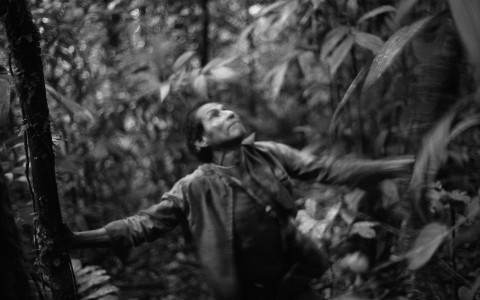
A very good example for this new "theory", is the book "How Forest Think?", a ethnography by Eduardo Kohn, a (north) American anthropologist. In this rich ethnography, Kohn explore through a fieldwork together with the Runas of Ecuador’s Upper Amazon, how Amazonians interact with the many creatures that inhabit one of the world’s most complex ecosystems. This ethnography think about wonders what it means to be alive or what it means to think, proposing questions like Can forests think? (the name of the book) or Do dogs dream? This questions challenges the very foundations of anthropology, calling into question our central assumptions about what it means to be human (and thus distinct from all other life forms).
.

Thats really intresting, but I cant imagine how could be answer some of the new questions, for example, how can you know if dogs dream or not?
ResponderEliminar